Private Investigations: Evolving with Digital Forensics
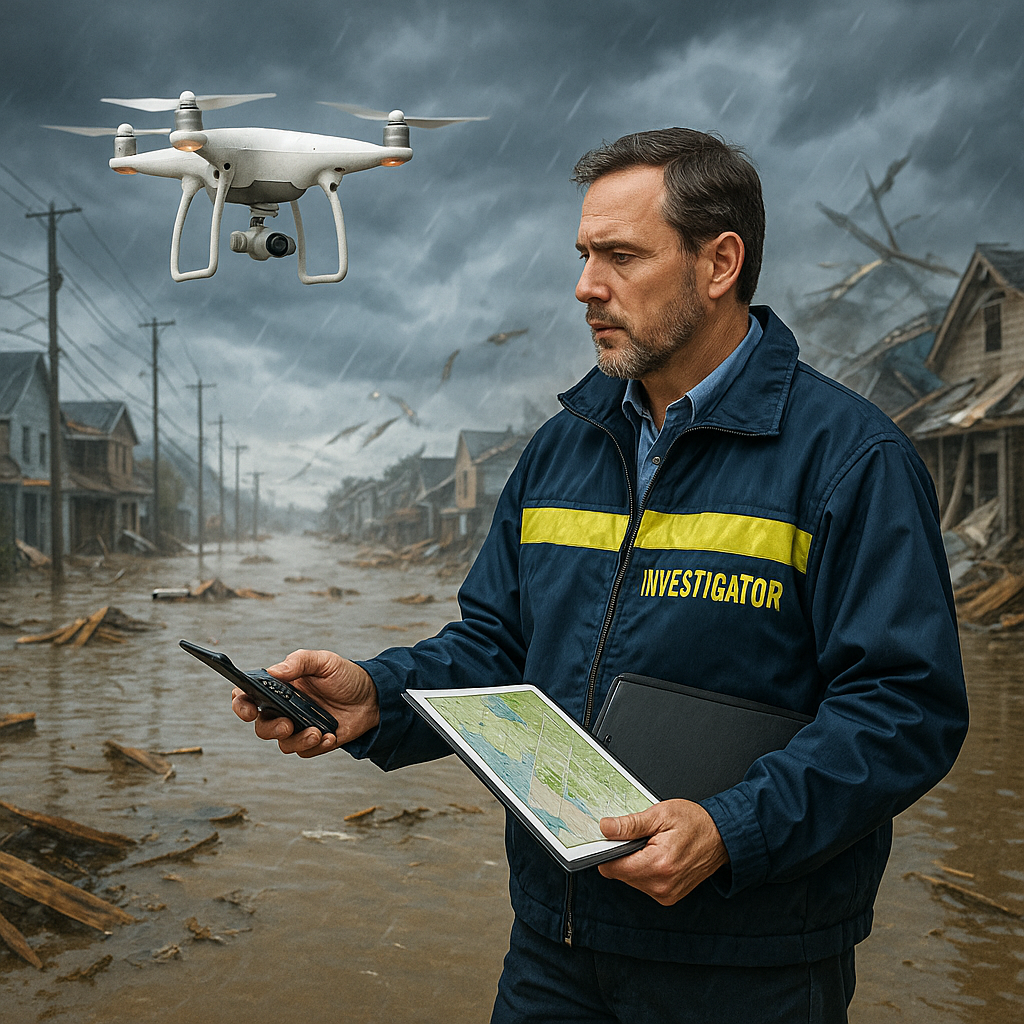
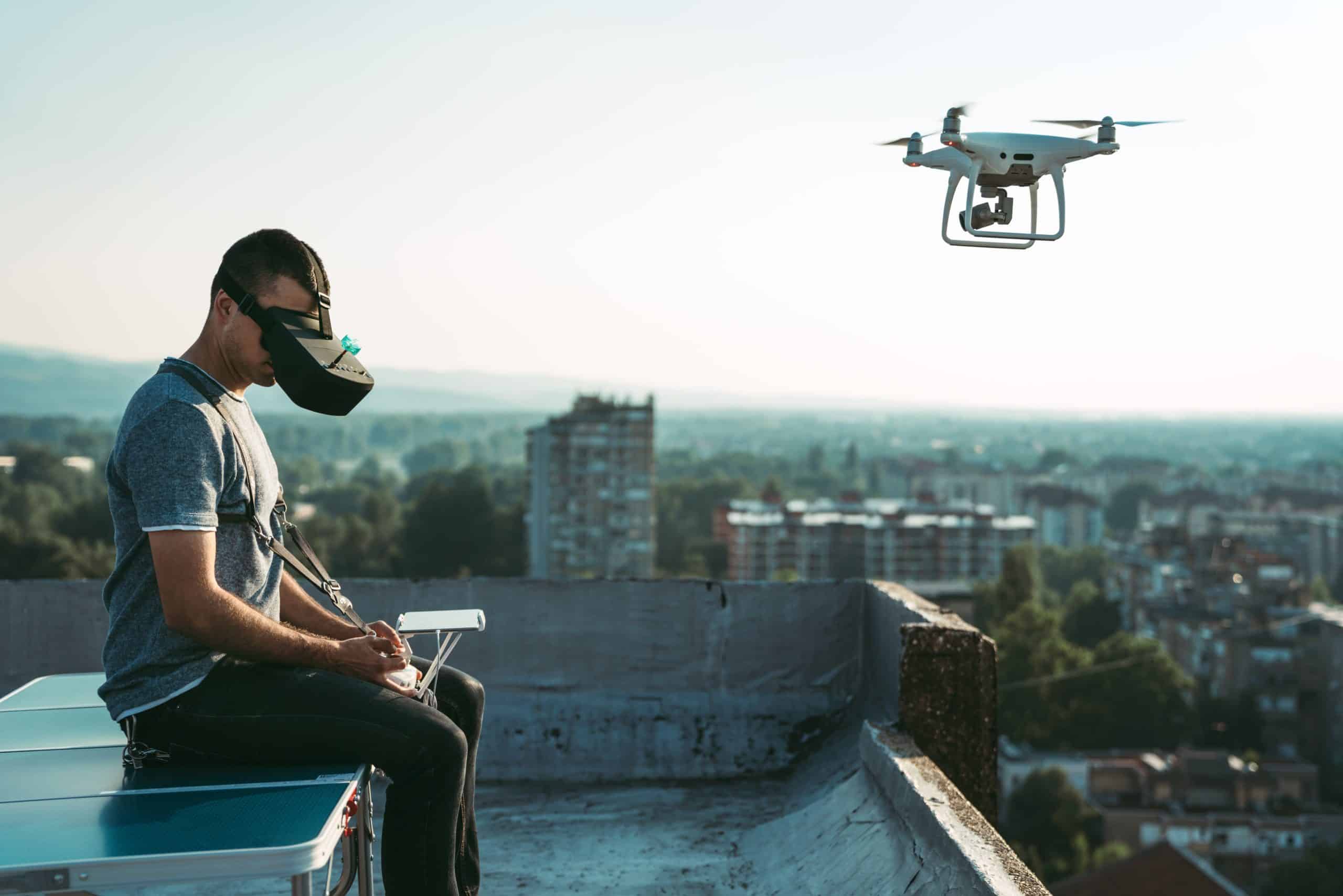
When surveillance drones can fit in a pocket and deep-fake videos fool the untrained eye, yesterday’s investigative tricks won’t win tomorrow’s cases. Continuous learning keeps our field reports admissible, our tech stack current, and—most importantly—our clients protected. Below, we break down how ongoing education powers every success story at F3 Investigations, what it costs to skip that education, and a simple checklist you can use to vet any investigative partner.